Recognizing the Signs of Abuse
Recognizing the signs of sexual abuse is a critical step in protecting vulnerable individuals and stopping ongoing harm. Sexual abuse can affect people of all ages and often occurs in situations where there is an imbalance of power, trust, or authority. The warning signs are not always physical and may include emotional, behavioral, or psychological changes that are easy to overlook or misinterpret.
Understanding these indicators can help friends, family members, caregivers, and professionals intervene earlier, connect victims with support, and take steps toward safety, accountability, and healing.
Find Out If You Qualify. Get a Free Case Review Now.
What Is Abuse Exactly?
Abuse can be defined in various ways, encompassing actions that cause harm to an individual. It can manifest physically, emotionally, or sexually and may occur in different contexts.
Abuse often involves a misuse of power, where the abuser seeks to control or dominate another individual.
According to the World Health Organization, approximately 1 in 3 women worldwide have experienced either physical or sexual violence in their lifetime, highlighting the pervasive nature of this issue.
Understanding abuse is crucial. It can be obvious, such as physical violence, or subtle, like emotional manipulation. Recognizing these distinctions aids in identifying and addressing it effectively.
The cycle of abuse can perpetuate itself, as children who witness or experience abuse may grow up to either become abusers or victims themselves, creating a generational pattern that is difficult to break.
Furthermore, the impact of abuse can extend beyond the immediate victim, affecting families, communities, and society at large.

The Different Types of Abuse
Each type carries its own unique signs and consequences, requiring individual approaches for intervention and support. The stigma surrounding abuse can prevent victims from coming forward. Many individuals may feel ashamed or fear retaliation, which can further their suffering.
Types of abuse include:
- Physical abuse
- Emotional abuse
- Financial abuse
- Sexual abuse
- Neglect
Acknowledging these forms can lead to better outcomes for victims seeking help. For instance, physical abuse often leaves visible scars and bruises, making it easier to identify, while emotional abuse may involve tactics like gaslighting or isolation, which can be more insidious and harder to detect.
Additionally, neglect, often overlooked, can have severe long-term effects on a person’s physical and mental health, particularly in children who rely on caregivers for their basic needs and emotional support.
Community resources, such as hotlines and counseling services, play a critical role in providing immediate assistance and long-term recovery options for those affected by abuse.
Physical Signs of Abuse
Physical signs of abuse are often the most visible indicators that someone may be experiencing harm, but they can also be misunderstood or explained away. Injuries may be frequent, unexplained, or inconsistent with the explanation given. Knowing what to look for is essential for early intervention.
In some cases, the person may appear fearful of medical exams, try to hide injuries with clothing or makeup, or delay seeking medical care altogether. These patterns can suggest that the injuries are not accidental.
Common physical signs of abuse may include:
- Unexplained bruises, welts, burns, or bite marks
- Injuries at different stages of healing
- Frequent sprains, fractures, or dislocations
- Marks on the wrists, ankles, or neck
- Wearing long sleeves or covering up injuries in warm weather
It’s also important to recognize that physical abuse can look different depending on age, health, and living situation. Children, older adults, and individuals with disabilities may show signs that are mistaken for normal accidents or medical conditions.
Paying attention to recurring injuries or changes in behavior alongside physical symptoms can provide critical context.
Getting Help for Physical Injuries
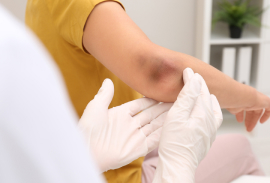 Getting help for physical injuries is an important first step toward safety and recovery. If someone is in immediate danger or has serious injuries, emergency medical care should be sought right away.
The way these injuries are presented can also paint a telling picture. For instance, frequent visits to emergency rooms may indicate ongoing abuse.
Even when injuries seem minor, seeking care creates a record that may be critical for protecting the victim and preventing further harm. Beyond medical treatment, support services can play a vital role in long-term healing.
Medical professionals can:
- Treat visible injuries
- Document signs of abuse
- Help connect individuals with additional resources
It’s important to pay attention to the explanations given for these injuries. Vague or inconsistent reasoning is a red flag and may warrant further investigation into the individual’s circumstances.
Additionally, the location of the injuries can provide critical insights. Injuries on areas typically covered by clothing, such as the back or thighs, may suggest attempts to hide the abuse from others.
Recognizing Unusual Behavior Patterns
Recognizing unusual behavior patterns can be just as important as noticing physical injuries when identifying signs of physical abuse. Physical signs often coexist with behavioral changes. These behavioral shifts can indicate deeper emotional wounds that require compassionate understanding and care.
Understanding the context of these changes is essential. For example, a sudden deterioration in academic or work performance may signal personal struggles related to abuse.
Social interactions may also be affected. Individuals may isolate themselves from friends and family or display an unusual fear of certain people or situations, which can be a significant indicator of their distress and trauma.
Unusual behavior patterns can include:
- Anxiety
- Becoming withdrawn
- Chronic fatigue
- Eating disorders
- Emotional distress
- Heightened irritability
- Insomnia
- Unusually quiet
Behavioral changes often develop as coping mechanisms or attempts to avoid further abuse. This may include being overly compliant, avoiding certain people or places, or appearing nervous around authority figures or caregivers.
When these shifts in behavior occur alongside physical signs or seem persistent, they can be a critical warning that intervention and support are needed. These signs can be crucial for providing the necessary support, as they often reflect a deeper psychological struggle that accompanies physical abuse.
Signs of Emotional Abuse
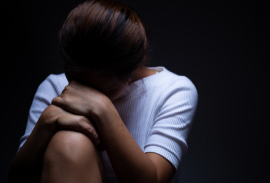 Emotional abuse can be just as damaging as physical violence. Often, it leaves no visible scars, making it more challenging to recognize.
Over time, emotional abuse can affect how a person thinks, behaves, and interacts with others. Victims may begin to doubt their own perceptions, withdraw from relationships, or feel constant fear of upsetting the abuser.
Common signs of emotional abuse may include:
- Anxiety, depression, or sudden mood changes
- Being frequently criticized, belittled, or blamed
- Fear of making mistakes or seeking approval excessively
- Low self-esteem or persistent self-doubt
- Social withdrawal or isolation from friends and family
Recognizing signs of emotional abuse can be more challenging than identifying physical harm, but the impact can be just as damaging. Emotional abuse often involves patterns of manipulation, intimidation, humiliation, or control that gradually erode a person’s sense of self-worth and security.
Because there may be no visible injuries, the abuse is frequently minimized or overlooked, allowing it to continue unchecked. These effects can persist long after the abuse ends, influencing mental health, confidence, and overall well-being.
Understanding Emotional and Psychological Changes
Victims of emotional abuse may experience profound changes in their self-esteem and confidence. A study published in the Journal of Interpersonal Violence indicates that emotional abuse is a significant predictor of psychological distress.
Indicators such as feelings of worthlessness, chronic sadness, or withdrawal from social interactions can signal emotional abuse. These signs often require sensitive conversations to explore their roots.
Over time, the victim may internalize the negative messages they receive, leading to a distorted self-image and a sense of inadequacy. This internal struggle can manifest in various ways, including difficulty in making decisions, a heightened sensitivity to criticism, and a persistent fear of failure.
Spotting Signs of Fear, Anxiety, and Depression
The presence of anxiety or depression can signal that someone is experiencing emotional abuse. Fear of the abuser can lead to avoidance behaviors, where the victim withdraws from family and friends. Understanding the psychological toll of emotional abuse is crucial.
Many victims may feel trapped in a cycle of fear and manipulation, causing a severe decline in mental health. The constant state of alertness and the need to appease the abuser can lead to chronic stress, which may result in physical symptoms such as headaches, fatigue, and gastrointestinal issues.
The isolation that often accompanies emotional abuse can exacerbate feelings of loneliness and despair, making it even more difficult for victims to seek help or support from others.
Post-Traumatic Stress Disorder
Post-traumatic stress disorder (PTSD) can develop after prolonged or severe emotional abuse, especially when the abuse involves ongoing fear, control, or intimidation. While PTSD is often associated with physical violence or life-threatening events, emotional abuse can also leave lasting psychological trauma.
Individuals may relive distressing experiences, feel constantly on edge, or struggle to feel safe even after the abuse has ended.
Common PTSD-related symptoms may include:
- Avoidance of people, places, or situations linked to the trauma
- Difficulty sleeping or concentrating
- Emotional numbness or detachment from others
- Hypervigilance or an exaggerated startle response
- Intrusive memories, flashbacks, or nightmares
PTSD symptoms can interfere with daily life, relationships, and work, and they may worsen over time without support. Recognizing these symptoms in the context of emotional abuse is an important step toward getting appropriate care and treatment.
Signs of Sexual Abuse
Recognizing the signs of sexual abuse is critical for intervention. This type of abuse can result in both physical and emotional consequences. Because sexual abuse is often accompanied by fear, shame, or manipulation, victims may struggle to speak openly about what is happening.
Signs of sexual abuse can vary widely depending on the individual, their age, and the nature of the abuse. In many cases, the indicators are subtle and may appear as changes in behavior, emotional health, or physical well-being rather than clear disclosures.
Common signs of sexual abuse may include:
- Avoidance of specific individuals or places
- Knowledge or behavior that is inappropriate for the person’s age
- Regression in behavior, such as bedwetting or clinginess in children
- Sudden changes in behavior or personality
- Unexplained fear, anxiety, or depression
Behavioral and emotional changes are often the earliest warning signs. Children and adults alike may become withdrawn, anxious, or fearful, particularly around certain people or situations.
Others may show sudden changes in mood, sleep patterns, or personal boundaries. These shifts should be taken seriously, especially when they appear without an obvious cause.
Physical Indicators of Sexual Abuse
Physical indicators of sexual abuse may be present in some cases, though they are not always visible or immediately apparent. When physical signs do appear, they can range from unexplained injuries to ongoing medical issues that lack a clear cause.
These indicators should always be taken seriously, particularly when they occur alongside behavioral or emotional changes. They may also show discomfort in certain situations that relate to touch or attention.
Possible physical signs of sexual abuse may include:
- Bruising, bleeding, or pain in genital or anal areas
- Difficulty walking or sitting without discomfort
- Frequent urinary tract or genital infections
- Sexually transmitted infections without a clear explanation
- Torn, stained, or bloody underwear
It’s important to note that the absence of physical injuries does not mean abuse has not occurred. Many victims show few or no visible signs, especially when abuse is ongoing or delayed medical care is involved.
Still, recognizing potential physical indicators can help prompt timely medical attention and protective intervention. Awareness of these physical indicators is essential for caregivers and loved ones. They can provide the needed support and resources for healing.
Emotional Signs of Sexual Abuse
Emotional signs of sexual abuse often surface before a victim is able or willing to talk about what happened. Responses can range from shame to confusion. Victims often struggle with feelings of guilt, believing they are somehow responsible for the abuse.
Open conversations can provide a supportive environment for victims to express themselves. It is vital to validate their emotions and experiences. Feelings of fear, shame, or confusion are common, especially when the abuse involves someone the victim knows or trusts.
Common emotional signs of sexual abuse may include:
- Anxiety, depression, or persistent sadness
- Difficulty trusting others or forming close relationships
- Feelings of shame, guilt, or self-blame
- Sudden mood swings or emotional outbursts
- Withdrawal from friends, family, or activities
Over time, emotional distress can deepen and begin to affect relationships, school, work, or daily functioning. Victims may struggle with trust, experience intense mood swings, or show signs of emotional withdrawal.
When these patterns emerge without a clear explanation, they can be an important signal that support and intervention are needed. These reactions can complicate their daily lives and relationships, making it even more crucial for those around them to be understanding and patient as they navigate their healing journey.
Signs of Sexual Abuse in Children
Signs of sexual abuse in children can be especially difficult to recognize because children may lack the language or understanding to explain what is happening to them. Instead, the abuse often shows up through changes in behavior, emotions, or development.
These signs may appear suddenly or gradually and are sometimes mistaken for typical childhood phases or stress-related issues. Try to create a safe space where your child feels comfortable sharing their experiences.
Common signs of sexual abuse in children may include:
- Fear of certain people, places, or situations
- Nightmares, sleep disturbances, or anxiety
- Regression in development, including bedwetting or thumb-sucking
- Sexual knowledge or behavior that is not age-appropriate
- Sudden behavioral changes, such as withdrawal or aggression
Because children are often abused by someone they know or trust, they may feel confused, frightened, or pressured to remain silent. Paying close attention to unusual or persistent changes in a child’s behavior can be critical to identifying abuse early and getting them the help and protection they need.
Programs that teach children about healthy relationships and personal boundaries can empower them to recognize and report abuse, fostering resilience and self-advocacy from a young age.
Signs of Sexual Abuse in Adults
Signs of sexual abuse can manifest differently in adults, often affecting emotional, psychological, and physical well-being. Many survivors struggle with feelings of shame, fear, or guilt, which may make it difficult to disclose the abuse. Recognizing these signs early is crucial for beginning the healing process.
Common signs of sexual abuse in adults may include:
- Anxiety, depression, or sudden mood swings
- Avoidance of intimacy or certain people/places
- Difficulty trusting others or forming close relationships
- Low self-esteem or feelings of guilt and shame
- Sleep disturbances or nightmares
- Substance abuse or self-harming behaviors
- Unexplained injuries or frequent health complaints
Adults may hide their abuse for various reasons, including fear or shame. Signs of control or fear in their body language can indicate an abusive relationship. They may appear withdrawn or overly anxious. Awareness of these signs can guide loved ones and professionals in offering appropriate support.
Encouraging open lines of communication can help adults feel safe to share their experiences. Providing resources for help is critical for those in abusive situations. Support groups and counseling services can offer vital emotional assistance, allowing individuals to connect with others who have faced similar challenges.
Signs of Elder Abuse Abuse
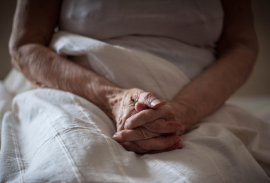 Elder abuse can take many forms, including physical, emotional, financial, and neglect. It often occurs in situations where older adults are dependent on caregivers for daily needs, making them particularly vulnerable. Recognizing the signs early is critical for protecting their health, safety, and well-being.
Signs of elder abuse may be subtle or obvious, and they can affect both physical and emotional health. Victims might feel isolated, fearful, or ashamed, which can make disclosure difficult.
Common signs of elder abuse:
- Anxiety, depression, or unusual fearfulness
- Frequent unexplained medical issues
- Hesitation to speak in front of caregivers or family members
- Poor hygiene or malnutrition
- Sudden changes in financial situations or missing money
- Unexplained bruises, cuts, or burns
- Withdrawal from social activities or isolation
Caregivers, family members, and professionals should be vigilant for any changes in behavior or unexplained injuries that could indicate mistreatment.
By creating a culture of awareness and support, we can work towards eliminating abuse in all its forms and ensuring that every individual, regardless of age or background, can live free from fear and harm.
Warning Signs of Nursing Home Abuse
Nursing home abuse is a serious issue that can affect the most vulnerable members of our society. Residents may be subjected to physical, emotional, or financial mistreatment, often by those entrusted with their care.
Warning signs of nursing home abuse can manifest in both physical and behavioral ways. Changes in mood, unexplained injuries, or sudden financial issues may indicate that a resident is being mistreated. Family members, friends, and staff should remain vigilant and report any suspicious activity promptly.
Recognizing the warning signs early is essential to prevent further harm and ensure the safety and well-being of elderly residents.
Resources for Recognizing Abuse
Recognizing abuse is the first step toward protecting yourself or others, but knowing where to turn for guidance and support is equally important. A variety of advocacy groups and online resources provide education, reporting tools, and assistance for victims of abuse.
These organizations can help individuals understand the signs of different types of abuse and connect them with professionals who can intervene safely.
Helpful resources for recognizing and addressing abuse include:
- Childhelp – Offers a national child abuse hotline and online resources for parents and children
- National Domestic Violence Hotline – Provides confidential support and resources for victims of domestic abuse
- Eldercare Locator – Connects older adults and caregivers to local support services
- RAINN (Rape, Abuse & Incest National Network) – Offers information, online support, and a 24/7 hotline for sexual assault survivors
- National Center for Victims of Crime – Provides resources and advocacy for victims of all types of abuse
Many resources offer specialized support depending on the type of abuse, from child and elder abuse to sexual and domestic violence. They also provide confidential hotlines, online guides, and community programs designed to empower victims and their families.
Accessing these resources early can make a significant difference in preventing further harm and promoting healing.
Resources for Recovering From Abuse
Recovering from abuse can be a long and challenging journey, but numerous organizations and online resources are dedicated to helping survivors heal physically, emotionally, and psychologically.
Accessing professional guidance, support groups, and educational materials can empower individuals to regain control over their lives and build resilience after trauma.
Helpful resources for recovering from abuse include:
- Safe Horizon – Offers counseling, advocacy, and support programs for victims of domestic violence, sexual assault, and human trafficking
- Futures Without Violence – Provides resources, education, and advocacy for survivors of domestic and sexual abuse
- NCTSN (National Child Traumatic Stress Network) – Offers resources for children and families recovering from trauma and abuse
- 1in6 – Supports men who have experienced sexual abuse or assault, with online resources and peer support
- Psychology Today – Helps survivors find a therapist or other mental health professionals specializing in trauma and abuse recovery
Support for recovery often includes counseling, peer networks, legal assistance, and specialized programs tailored to different types of abuse. Utilizing these resources can provide survivors with safe spaces to share experiences, learn coping strategies, and access professional help for both immediate and long-term needs.
Reporting Abuse & Taking Legal Action
 Taking action against abuse is a critical step in protecting victims and holding perpetrators accountable. Reporting abuse promptly can prevent further harm and ensure that the appropriate authorities investigate the situation.
Many organizations provide guidance on how to document incidents, file reports, and connect with attorneys or advocacy groups who specialize in abuse cases. Prompt and informed action can make a significant difference in achieving justice and supporting recovery.
Key steps for reporting abuse and taking legal action:
- Contact local law enforcement or 911 in emergencies
- Document incidents with dates, times, and any physical evidence
- Report child abuse to your state’s child protective services (CPS)
- Report elder abuse to adult protective services (APS)
- Reach out to advocacy organizations for support and guidance
- Utilize confidential hotlines for immediate assistance like the National Domestic Violence Hotline or RAINN
In some cases, you can also get a free case review from a personal injury or sexual abuse lawyer who can help you understand your legal rights. Many survivors seek compensation from civil lawsuits against the offender or institution that allowed their abuse.
Get Help Taking a Stand Now
Taking a stand against abuse requires courage, support, and access to the right resources. Whether you are a survivor, a concerned friend or family member, or a professional witnessing abuse, reaching out for help can make a meaningful difference.
Our legal partners can help you understand your legal options, guide you through reporting abuse, and provide support to ensure your rights are protected.
We can help your family by:
- Explaining your legal rights and options based on your situation
- Connecting you with additional advocacy and support resources
- Helping you pursue compensation from a civil lawsuit
Prompt action protects those at risk and empowers individuals to reclaim control over their lives. Many organizations and advocacy groups offer immediate guidance, counseling, and legal assistance for those ready to take action.
Contact us now if you’ve started to see the signs of abuse and want to know more about your next steps. Learning your legal rights costs nothing.
Recognizing Abuse FAQs
How do I recognize sexual abuse?
Recognizing sexual abuse involves paying attention to both physical and behavioral signs, as victims may not always speak up immediately.
Here are some of the basics on recognizing signs of sexual abuse:
- Physical indicators can include unexplained bruises, injuries in sensitive areas, or signs of sexually transmitted infections
- Behavioral changes, such as withdrawal, anxiety, depression, fear of certain people or places, or sudden changes in mood, can also signal that someone is experiencing abuse.
- In children, signs may include age-inappropriate sexual knowledge, regressive behaviors, or fearfulness around adults.
- In adults, survivors might struggle with intimacy, experience nightmares, or show signs of emotional distress.
Awareness of these signs, combined with trust and open communication, can help identify abuse early and ensure victims get the help and support they need.
What are the first signs of sexual abuse in children?
The first signs of sexual abuse in children can be both physical and behavioral, and they often appear subtly. Physical indicators may include unexplained bruises, bleeding, or injuries in the genital or anal areas. Children might also show discomfort, pain, or frequent complaints of itching in sensitive areas.
Behavioral signs are often more noticeable and can include sudden changes in mood, withdrawal from friends or family, anxiety, nightmares, or regressive behaviors such as bedwetting.
Children may display age-inappropriate sexual knowledge or behaviors, have difficulty trusting adults, or show fearfulness around certain individuals. Recognizing these early signs is crucial for intervening and ensuring the child’s safety and well-being.
What do I do if I think my child was assaulted?
If you suspect your child has been assaulted, it’s important to act quickly while remaining calm and supportive. First, ensure your child is safe and provide a reassuring, nonjudgmental environment where they feel comfortable speaking. Avoid pressing for details all at once. Listen patiently and let them share at their pace.
Next, seek professional help immediately. Contact your local child protective services or law enforcement to report the suspected abuse, and consider taking your child to a medical professional for a full examination.
Additionally, reach out to trained counselors or advocacy organizations specializing in child sexual abuse to provide emotional support and guidance throughout the process.
What are the signs that a person is being abused?
Signs that a person is being abused can appear in physical, emotional, and behavioral ways, and they may vary depending on the type of abuse:
- Physical signs can include unexplained bruises, burns, cuts, or frequent injuries.
- Neglect may show as poor hygiene, malnutrition, or untreated medical conditions.
- Emotional abuse often manifests as anxiety, depression, low self-esteem, or withdrawal from social interactions.
Behavioral changes can also indicate abuse. Victims might become unusually fearful of certain people or places, show sudden changes in mood, or avoid activities they once enjoyed. In some cases, they may display signs of self-harm, substance abuse, or difficulty trusting others.
How do I know if I'm being emotionally abused?
Emotional abuse can be subtle, but there are clear patterns that indicate someone may be experiencing it. Common signs include constant criticism, humiliation, or belittling from a partner, family member, or caregiver.
You may feel controlled, manipulated, or isolated from friends and loved ones, and your self-esteem can gradually erode over time. Frequent feelings of fear, anxiety, or helplessness in the presence of the abuser are also warning signs.
Other indicators include being blamed for the abuser’s actions, having your opinions or feelings dismissed, or feeling like you “walk on eggshells” to avoid conflict. Emotional abuse can also manifest as threats, intimidation, or manipulation to maintain power and control.
What are the 7 signs of emotional abuse?
Emotional abuse can be difficult to identify, but recognizing the warning signs early is essential for protecting one’s mental and emotional well-being.
Seven signs of emotional abuse include the:
- Abuser constantly criticizes or belittles the victim
- Victim is humiliated or ridiculed, often in front of others
- Abuser exhibits controlling or manipulative behavior
- Victim is isolated from friends, family, or support networks
- Abuser blames the victim for their own actions or problems
- Victim experiences intimidation, threats, or fear-inducing behavior
- Abuser dismisses or ignores the victim’s feelings and opinions
How to recognize signs of abuse in adults?
Recognizing signs of abuse in adults requires paying attention to physical, emotional, and behavioral changes that may indicate mistreatment:
- Physical signs can include unexplained bruises, cuts, burns, or frequent injuries, as well as neglect of personal hygiene or health.
- Emotional and psychological signs of abuse may manifest as anxiety, depression, low self-esteem, withdrawal from social interactions, or fearfulness around certain individuals.
- Behavioral changes like suddenly avoiding certain people or places, exhibiting self-harming behaviors, struggling with substance abuse, difficulty trusting others, experiencing sleep disturbances, or displaying signs of emotional distress
Being attentive to these patterns and offering support can help victims access the help and protection they need.

Written by: Victim Advocacy Center
A trusted resource for survivors of abuse, neglect, and violence. Our mission is to provide education, empower individuals with knowledge, and connect victims to the legal resources they need to reclaim their lives and pursue justice. We are dedicated to standing by survivors at every step, offering guidance, support, and a pathway to hope.
- George Washington University. (n.d.). “Recognizing Child Abuse and Neglect.” Retrieved from: https://compliance.gwu.edu/recognizing-child-abuse-and-neglect.
- Mayo Clinic. (2025). “Domestic violence against women: Recognize patterns, seek help.” Retrieved from: https://www.mayoclinic.org/healthy-lifestyle/adult-health/in-depth/domestic-violence/art-20048397.
- National Domestic Violence Hotline. (n.d.). “Warning Signs of Abuse: Know what to look for.” Retrieved from: https://www.thehotline.org/identify-abuse/domestic-abuse-warning-signs/.